Project /
Imperial Ball
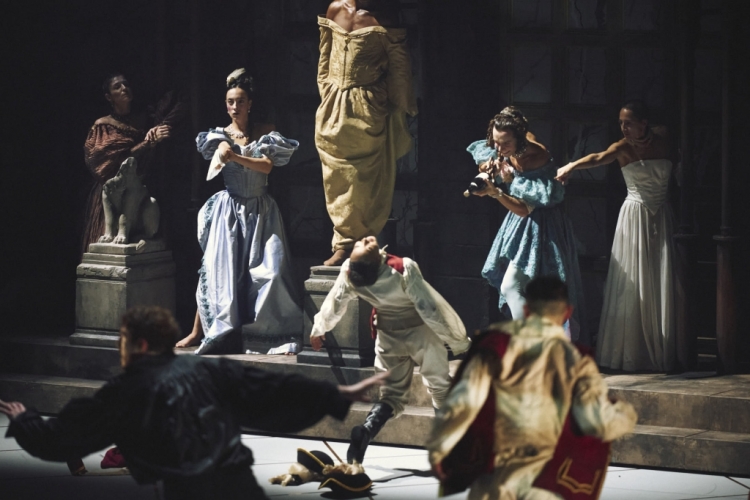
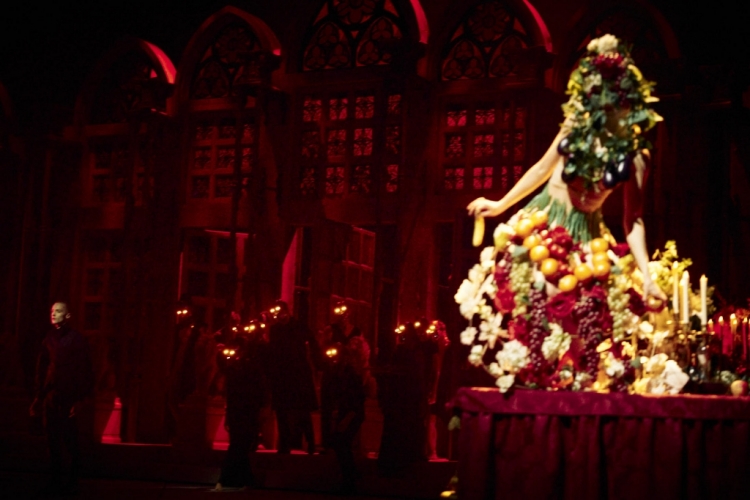
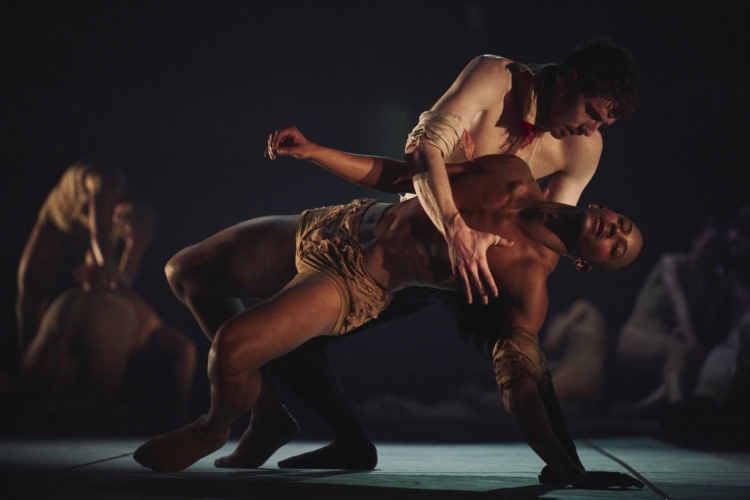
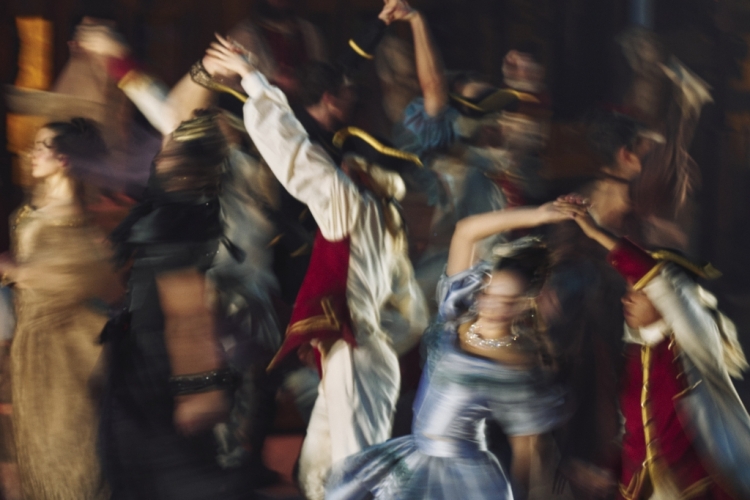
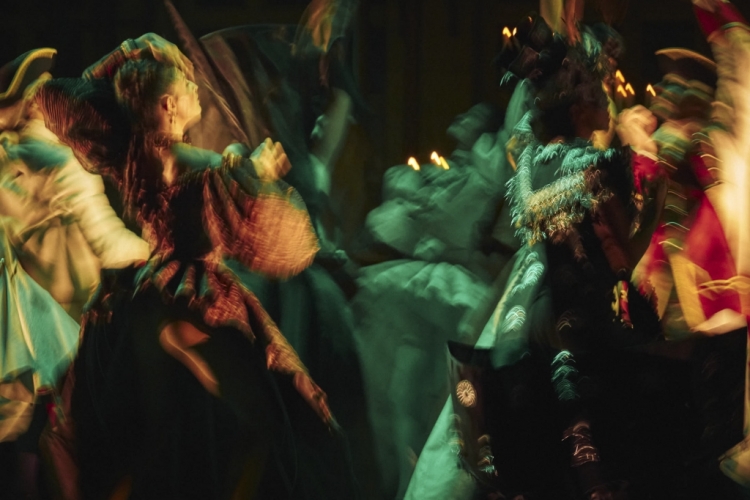
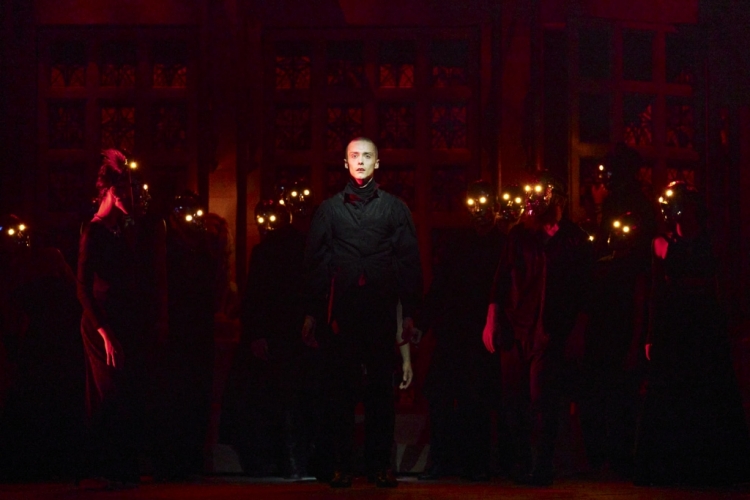
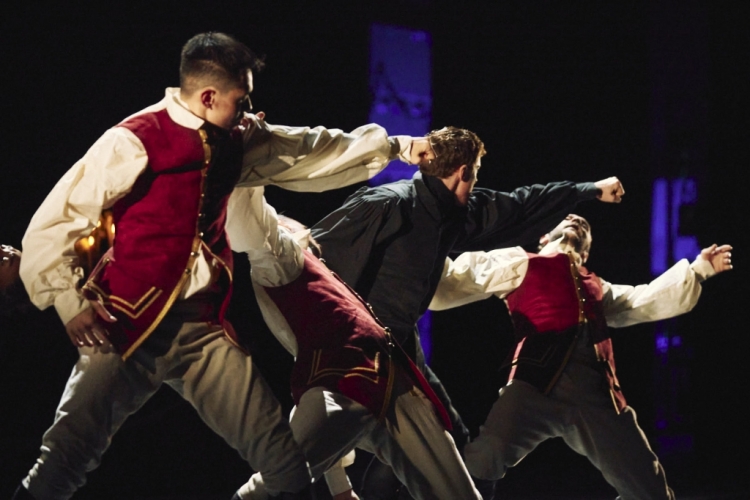
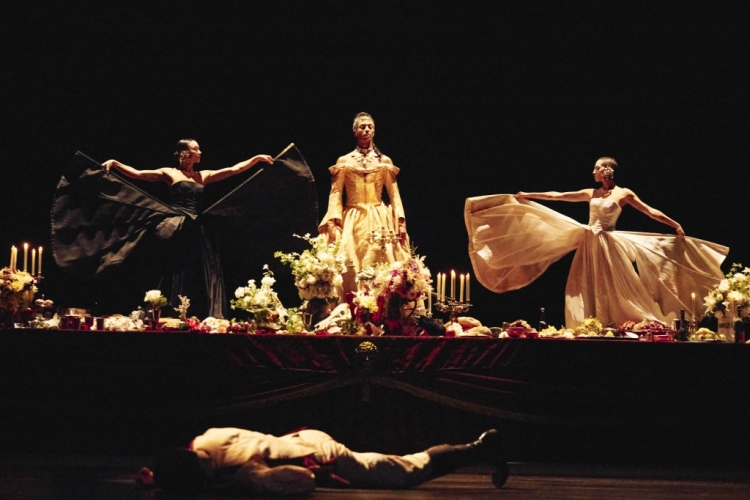
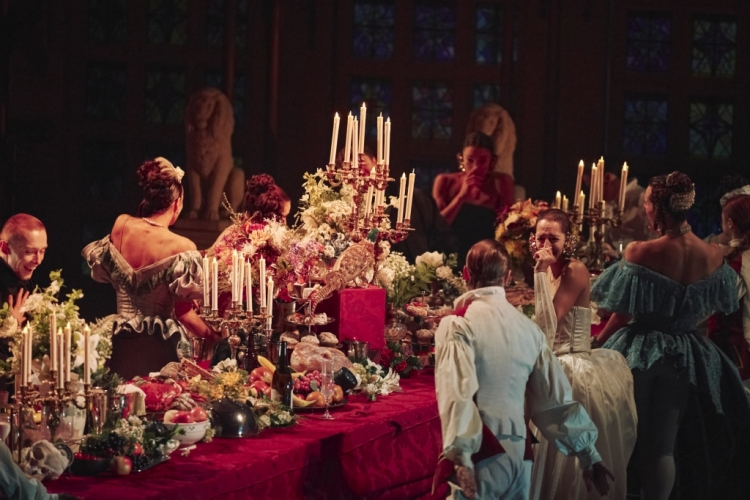
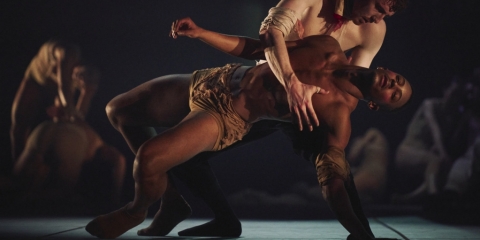
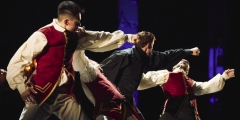
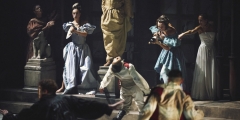
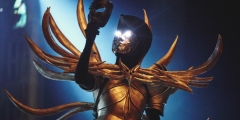
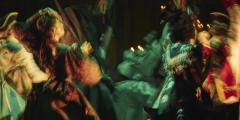
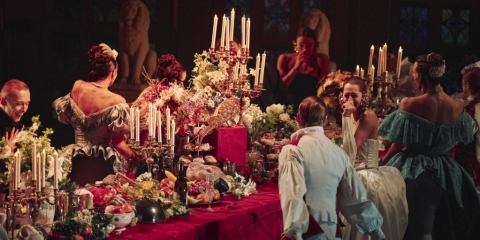
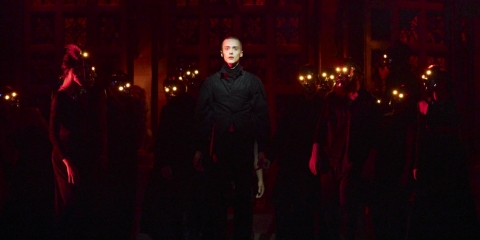
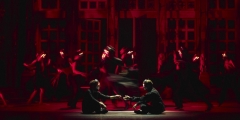
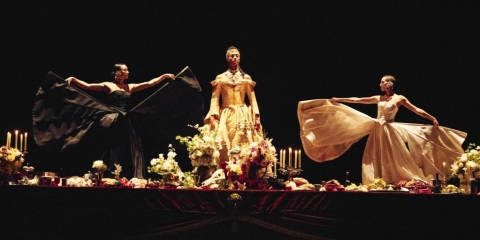
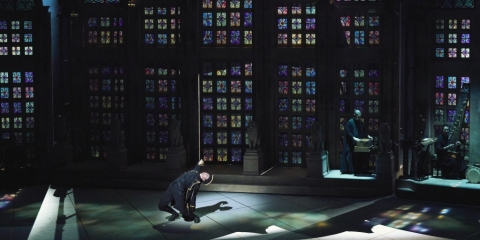
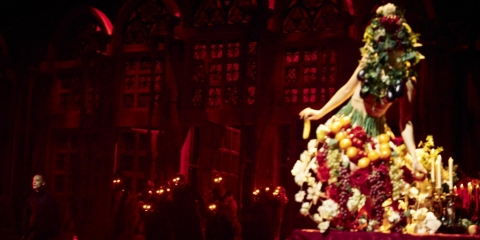
Imperial Ball began as an invitation from the city of Vienna to Sidi Larbi Cherkaoui, to commemorate the bicentenary of the birth of Johann Strauss II. Going beyond codes and genres, this project offered Cherkaoui a perfect opportunity to explore the very nature of the ball and the ballet, their common roots and their differences. From the Versailles of Louis XIV to the gilded halls of Vienna’s Hofburg, does the social dimension of these dances not conceal a political instrument? Tensions and conflicts are buried behind the music and the movement, attention is diverted from a nation’s problems, and anything that disturbs is smoothed over. Whether it’s a waltz or a military march, a dance or parade, the staging and charm of the manipulation override reality.
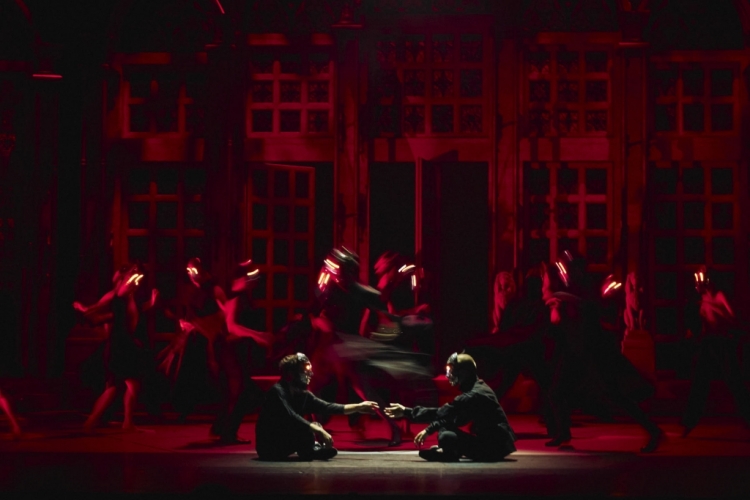
Cherkaoui’s fascination with the Empire of the Rising Sun is well known. It’s often in this “elsewhere” that he finds his inspiration, offering a singular view on our own strangeness. Through Japanese music, he offers a new perspective on his subject of inquiry, a fresh viewpoint on our beliefs and behaviors, delivered in an offbeat vision that he expresses through the bodies and movements of the dancers of the Ballet du Grand Théâtre de Genève.
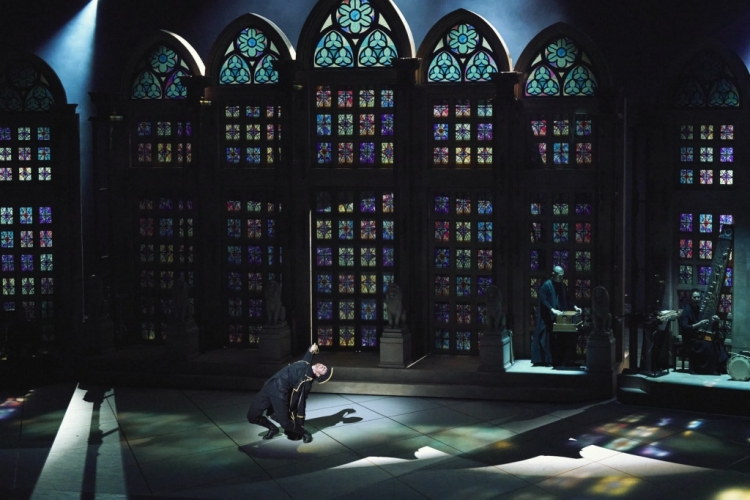
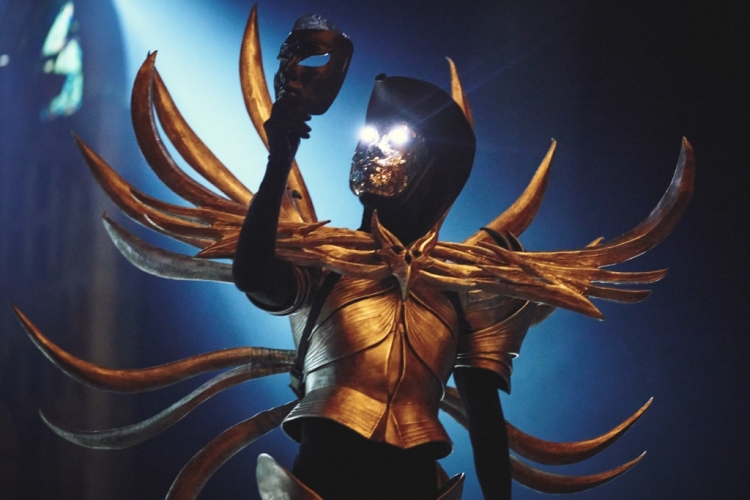
Three familiar Japanese musicians will confront the Orchestre de la Suisse Romande and its rendition of Viennese waltzes and dances: Tsubasa Hori, a taiko player and contemporary percussionist, Shogo Yoshii, a musician who travelled the Japanese countryside to study folk music before joining the Kodō percussion group, and the performer and singer Kazutomi “Tsuki” Kozuki, a close associate of Cherkaoui. Tim Yip, the talented Hong Kong artist, crafted both the costumes and set for this production. He is known especially for his work as an art director on films such as Crouching Tiger, Hidden Dragon, but also for his diverse collaborations with renowned artists like Bob Wilson, Akram Khan and Franco Dragone. Together, they reenact this cultural confrontation between East and West, past and present. In response to the waltz – the musical face of Europe’s imperialism, both of today and of yore – Sidi Larbi Cherkaoui offers a fluid, violent, yet always sensitive dance.